
Key & BPM Finder
Music to run through the key and BPM finder
Tempo and key are simplest to confirm against something you can hear, so these span slow ballads to club tempos.
Key & BPM Finder reads a track you were just handed

The key and tempo of a track you were just handed
Analysis runs on the audio itself rather than a lookup, so unreleased demos and your own recordings read the same as a commercial release.

When you only need the tempo
If the key is irrelevant and you just want to count a track in, the BPM tapper needs no upload at all.
How Key & BPM Finder works
Read the key and tempo of any song in three steps
Upload the track to analyze
No sign-in is needed to read a file, and the audio is analyzed rather than matched against a database.
Tempo and key are detected
The analyzer reports the BPM and the musical key, including the relative minor or major it sits against, plus energy and danceability readouts.
Use the numbers downstream
Set a DAW project tempo, pick a compatible track to mix into, or transpose a sample to fit.
Four readouts, read from the audio itself
The musical key, the tempo in BPM, energy and danceability.
Unreleased and self-recorded material reads the same.
MP3, WAV, OGG, M4A, FLAC, AAC.
Also worth checking - a modal track can read either way.
Key & BPM Finder features
Key & BPM Finder analyzes the recording in your browser and reports estimated tempo, key and Camelot notation. Work through multiple files, inspect the results and download a CSV for reference.
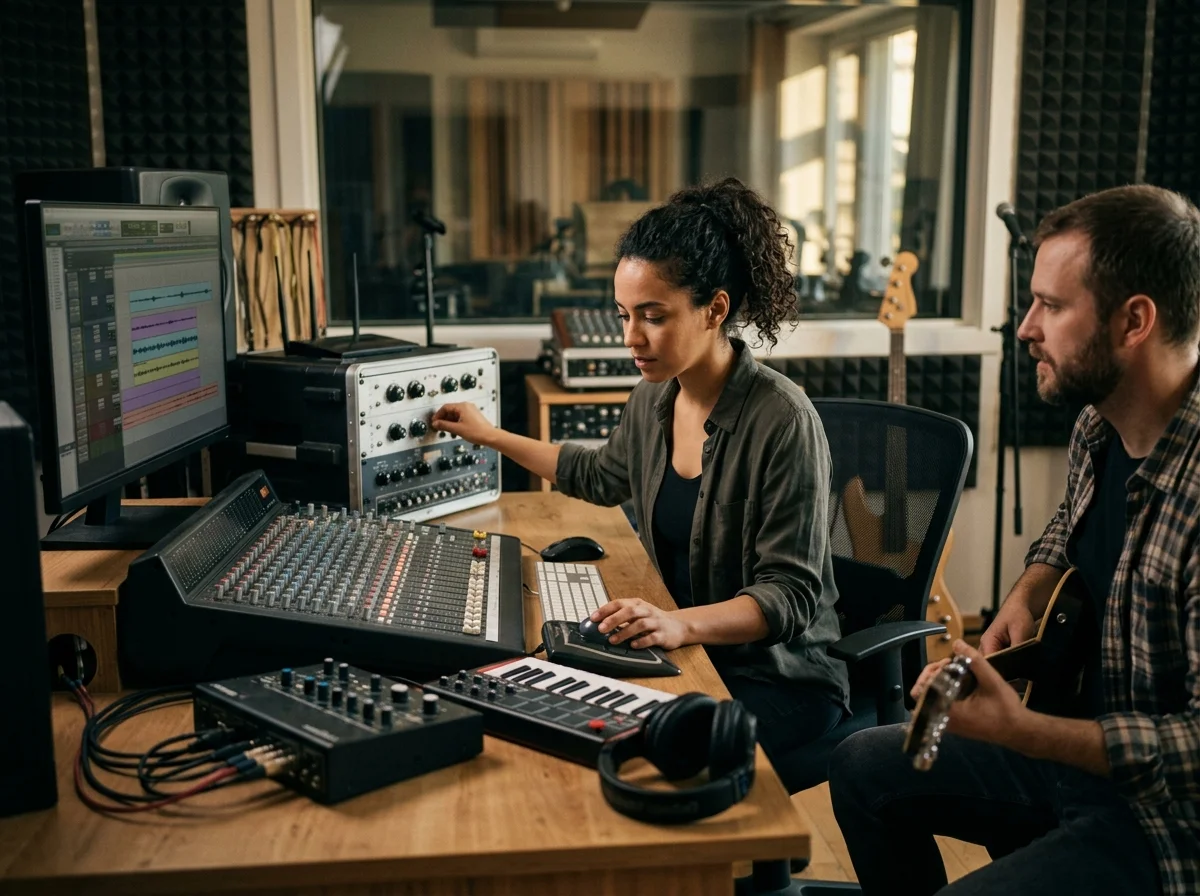
Read from the audio, not looked up in a database
A lookup only knows records someone has already cataloged. Reading the waveform is what lets an unreleased demo, a rehearsal recording or a track you made yesterday be analyzed at all.
Check the relative key as well
A modal track frequently reports as its relative major or minor - the same seven notes, a different resting point. Which one is right is a judgement about where the music settles, not something a number decides.
Who needs the key and the BPM
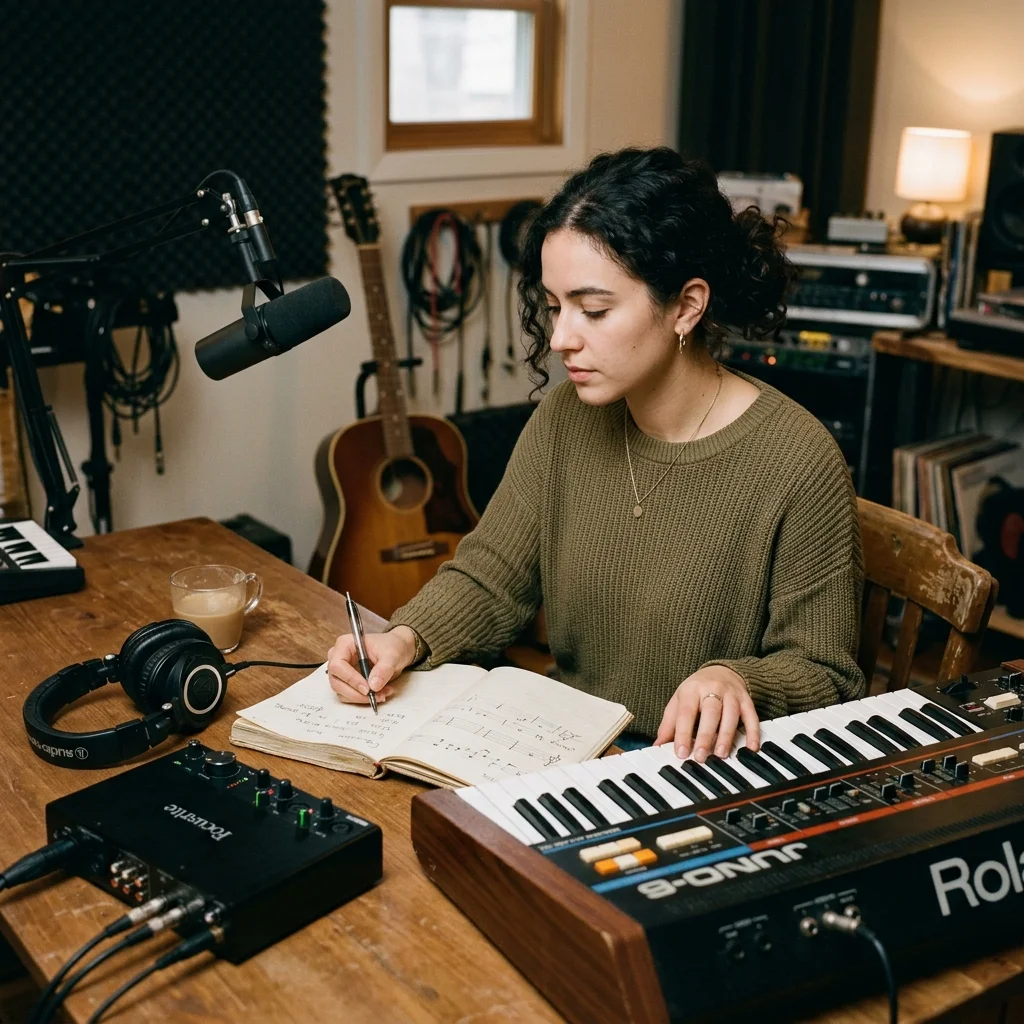
DJs preparing a set
Check two records are close enough in tempo and key to blend before you commit them to a playlist.
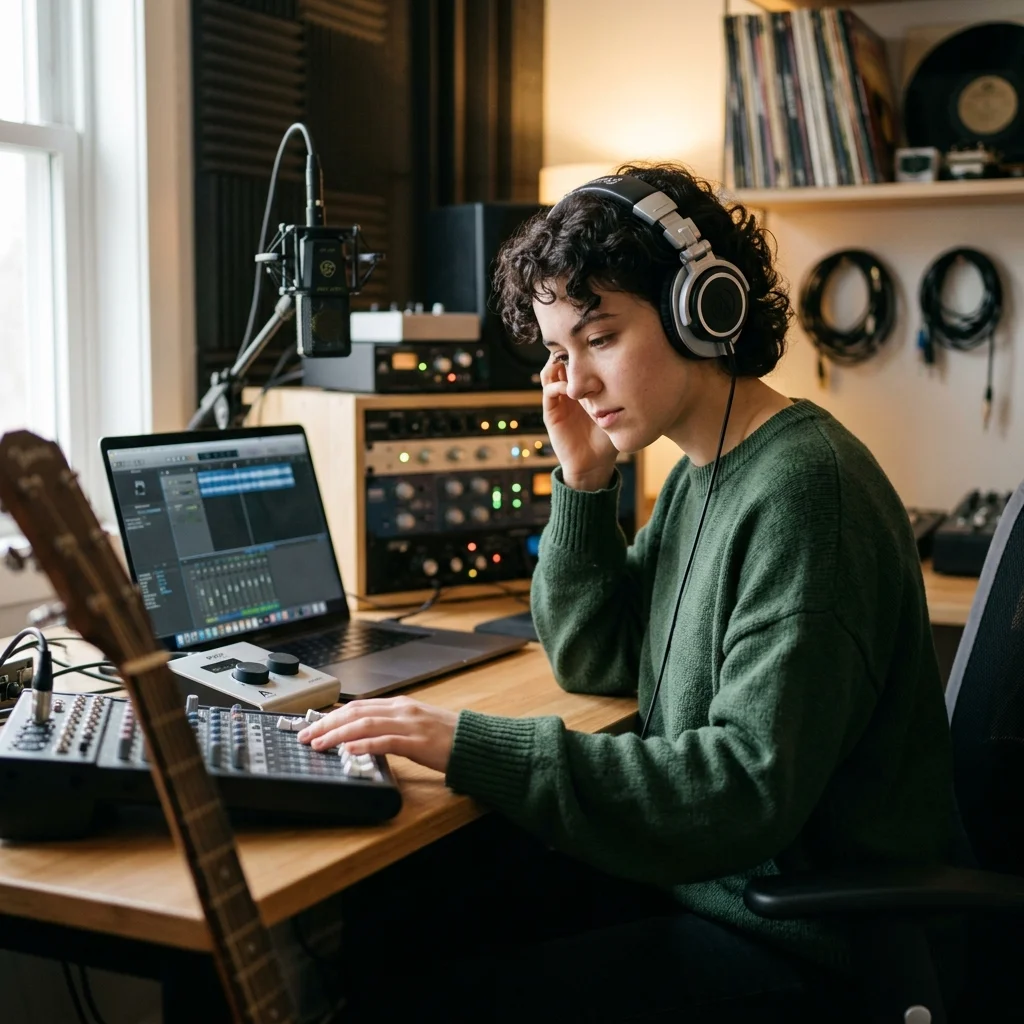
Producers sampling records
Learn the source key so a sample can be pitched into the project instead of fighting it.

Musicians learning by ear
Get the key before you work out the chords, so the shapes you try are the right ones.
Where Key & BPM Finder results go next
Every tool in the Key & BPM Finder family
| Tool | What you give it | What you get back | Credits per run |
|---|---|---|---|
| Beat Key Finder | Audio files or a microphone recording | Estimated key, Camelot number and BPM, with CSV export | 0 |
| Beat Finder | Audio files or a microphone recording | Estimated key, Camelot number and BPM, with CSV export | 0 |
| BPM Tapper | Coming soon | ||
| Metronome | Coming soon | ||
| Random Key Generator | Coming soon | ||
| Reverb Calculator | Coming soon | ||
| Frequency Generator | Coming soon | ||
| Audio Spectrum Analyzer | Coming soon | ||
| Chromatic Tuner | Coming soon | ||
| Guitar Tuner | Coming soon | ||
| Vocal Range Test | Coming soon |
Key & BPM Finder FAQ
Answers for creators comparing Key & BPM Finder, AI music generators, editing tools, and royalty-aware publishing workflows.
Read a track you were just handed
Key and tempo, without a database lookup or a release date.
